 Tooth Care
Multispeciality Dental Clinic
Tooth Care +91 9464895055, +91 9986606650 Click for Call
 # 219 sector 10, Panchkula, Haryana 134109 Click for Map DirectionBranch-1 (Panchkula)
#219 SECTOR 10, Panchkula, Opposite Sector 11 Main Showroom.
 akhilg321@yahoo.com





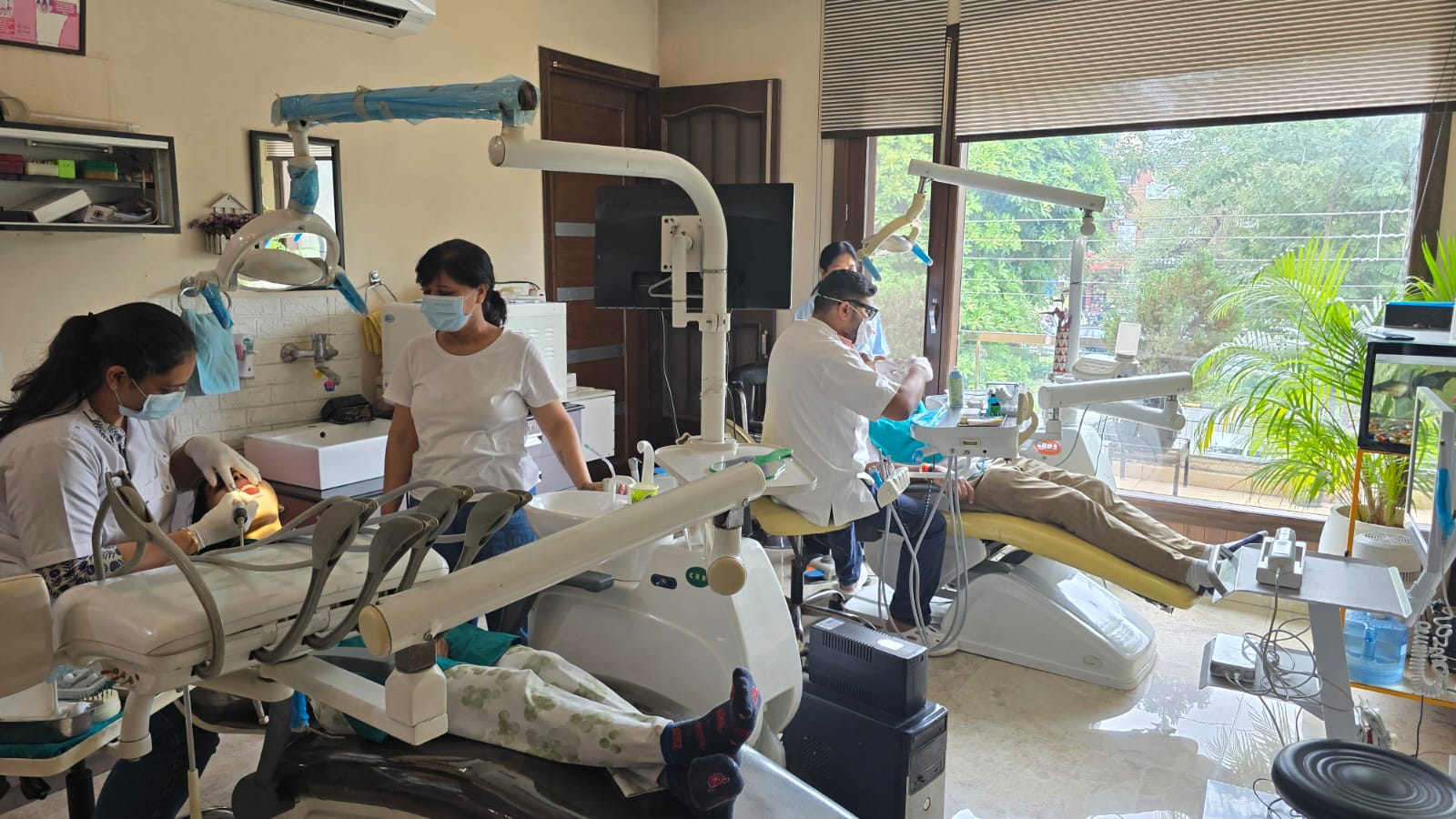
Losing a tooth can affect much more than your smile. It can make chewing difficult, change the appearance of your face, affect your confidence, and even influence your speech. Whether you have lost a tooth due to an accident, gum disease, severe decay, or ageing, dental implants can offer a long-term solution for replacing missing teeth.
However, getting dental implants is an important dental procedure that requires proper planning and preparation. Before undergoing treatment, you should understand the procedure, evaluate your oral health, discuss your medical history with your dentist, and prepare yourself for recovery.
If you are considering dental implants in Panchkula, taking a few essential steps before treatment can help you make an informed decision and improve your overall treatment experience.
At Tooth Care Dental Clinic, Panchkula, patients can consult experienced dental professionals to understand their tooth replacement options and determine whether dental implants are suitable for their needs.
Let’s explore the 10 most important things you should do before getting dental implants.
The first and most important step is to schedule a consultation with a qualified dentist or implant specialist.
Not everyone is immediately eligible for dental implants. Your dentist needs to examine your teeth, gums, jawbone, and overall oral health before recommending treatment.
During your consultation, discuss:
A detailed consultation helps your dentist develop a treatment plan according to your individual requirements.
If you are searching for dental implants in Panchkula, choose a clinic that prioritises proper diagnosis and personalised treatment planning.
Healthy gums and surrounding teeth are important for successful dental implant treatment.
Before implant placement, your dentist will examine your mouth to identify potential problems such as:
If you have gum disease or an active infection, it may need to be treated before proceeding with dental implants.
Ignoring these problems can increase the risk of complications and affect implant healing.
Your dentist may recommend professional cleaning, periodontal treatment, or other dental procedures before beginning implant treatment.
One of the most important requirements for dental implants is adequate jawbone support.
Dental implants are placed into the jawbone, where they gradually integrate with the surrounding bone through a process called osseointegration.
If your jawbone is too thin or weak, the implant may not have sufficient support.
Your dentist may recommend a digital dental X-ray or CBCT scan to evaluate:
If you have experienced tooth loss for several years, some bone loss may already have occurred.
In certain cases, procedures such as bone grafting or sinus lifting may be recommended before implant placement.
A proper assessment helps determine the safest and most appropriate treatment approach.
Your general health plays an important role in dental implant treatment and healing.
Before undergoing the procedure, inform your dentist about all existing medical conditions, medications, allergies, and previous surgeries.
In particular, discuss:
Uncontrolled diabetes, for example, can affect healing and increase the risk of infection.
Never stop prescribed medicines without consulting your treating doctor. Your dentist may coordinate with your physician when necessary.
Being transparent about your medical history helps your dental team plan treatment more safely.
Smoking and tobacco use can negatively affect the healing process after dental implant surgery.
Nicotine can reduce blood circulation, which may interfere with the delivery of oxygen and nutrients to healing tissues.
Smoking may increase the risk of:
If you smoke or use tobacco, discuss a suitable quitting plan with your dentist before treatment.
Avoiding smoking before and after implant surgery can support better healing. Follow your dentist’s instructions regarding how long you should avoid tobacco products.
Before choosing treatment, understand what dental implants involve.
A dental implant is generally a small, screw-shaped component, usually made of titanium or another suitable biocompatible material, that is placed into the jawbone to support a replacement tooth.
The treatment typically involves several stages:
Stage 1: Initial Consultation
The dentist examines your oral health and evaluates your suitability for implants.
Stage 2: Implant Placement
The implant is surgically placed into the jawbone under appropriate anaesthesia.
Stage 3: Healing and Osseointegration
The implant gradually integrates with the jawbone. This process may take several months, depending on individual healing and treatment requirements.
Stage 4: Abutment Placement
An abutment may be attached to connect the implant with the replacement tooth.
Stage 5: Crown Placement
A customised dental crown is fitted to restore the appearance and function of the missing tooth.
The exact process and timeline vary depending on bone quality, the number of implants, and whether additional procedures are required.
Understanding these stages helps you set realistic expectations.
One common concern among patients is pain during dental implant treatment.
Many people delay replacing missing teeth because they are afraid of dental surgery.
The good news is that implant placement is generally performed under local anaesthesia, which helps prevent pain during the procedure.
You may experience some swelling, tenderness, or discomfort after the anaesthesia wears off. These symptoms are usually manageable with appropriate medication and post-operative care.
If you are searching for painless dental implants in Panchkula, discuss the available comfort and pain-management options with your dentist.
Depending on your medical condition and treatment requirements, your dentist may discuss:
Remember that painless treatment cannot be guaranteed for every patient, but modern dental techniques and proper anaesthesia can make the experience significantly more comfortable.
Dental implant treatment is an investment in your oral health and quality of life.
Before starting, ask your dentist for a detailed treatment estimate.
The overall cost may depend on:
You should also understand the expected treatment timeline.
Some patients may qualify for immediate temporary teeth, while others need to wait for the implant to integrate with the bone before receiving their final crown.
Do not select a dental clinic based only on the lowest quoted price. Consider the dentist’s experience, treatment planning, hygiene standards, implant materials, and follow-up care.
Preparing for recovery before surgery can make the experience easier.
Although many patients return to routine activities relatively quickly, you may need some rest depending on the complexity of your procedure.
Before your appointment:
After implant placement, your dentist may recommend foods such as curd, mashed potatoes, soft vegetables, smoothies, and other easy-to-chew options.
Avoid hard, crunchy, sticky, or very hot foods during the initial healing period if advised by your dentist.
Following dietary recommendations can help protect the surgical area.
Choosing the right dental clinic is one of the most important decisions before starting treatment.
Dental implant placement requires careful diagnosis, surgical planning, appropriate equipment, and regular follow-up.
Before selecting a clinic, consider the following:
A good dental team will explain your treatment options, answer your questions, and help you understand the benefits and limitations of dental implants.
If you are looking for dental implants in Panchkula, Tooth Care Dental Clinic provides dental consultation and treatment planning to help patients explore suitable tooth replacement options.
Dental implants are a popular option for replacing missing teeth because they offer several benefits.
Natural Appearance: Customised dental crowns are designed to complement your natural teeth.
Improved Chewing Function: Implants can provide stable support for replacement teeth.
Jawbone Support: Implant placement can help maintain bone stimulation in the area of a missing tooth.
No Dependence on Adjacent Teeth: Unlike conventional tooth-supported bridges, an individual implant generally does not require reshaping neighbouring healthy teeth.
Long-Term Solution: With proper placement, good oral hygiene, and regular dental check-ups, dental implants can last many years.
However, dental implants are not suitable for everyone. Your dentist can help you compare implants with bridges and removable dentures.
Missing teeth should not be ignored because they can affect chewing, speaking, confidence, and oral health.
Dental implants can be an effective solution when planned and performed appropriately. However, successful treatment begins with the right preparation.
From getting a complete oral examination to understanding your medical history, checking bone density, and selecting the right dental clinic, every step matters.
If you are considering painless dental implants in Panchkula, consult the dental team at Tooth Care Dental Clinic to discuss your requirements and understand the most suitable treatment options.
Your Best Smile Starts With Quality Expertise
Where Dentistry Meets Artistry. We create the most beautiful smiles and we keep those smiles beautiful.
The Clinic That Guarantees High-Quality Dental Work in a comfortable manner.
© Copyright 2026, All Rights Reserved | Tooth Care Dental Clinic.